

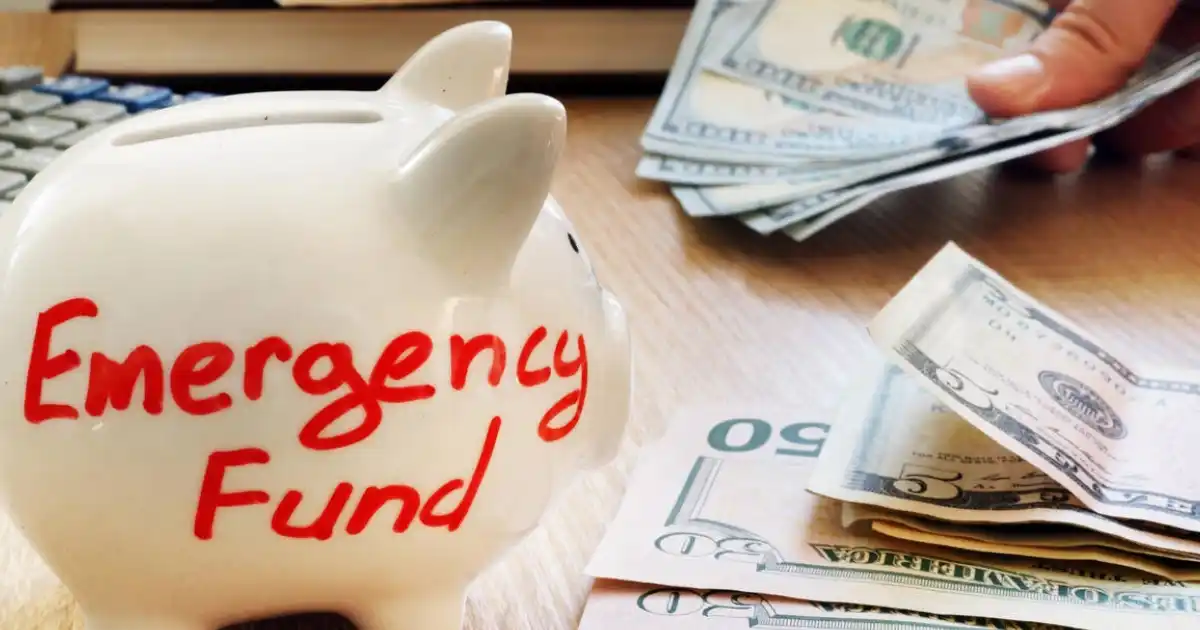
An emergency fund is one of the most useful parts of a healthy money plan. It gives you a little breathing room when life does what life does.
The car breaks down. A bill shows up. Work hours get cut. The washing machine stops working. Without savings, these problems can turn into credit card debt fast.
Building an emergency fund can feel hard when money is already tight. But you do not have to save thousands of dollars overnight. You can start small and build slowly.
This article is for educational purposes only and is not personal financial advice.
What Is an Emergency Fund?
An emergency fund is money set aside for unexpected expenses.
It is not vacation money. It is not shopping money. It is not for regular bills you already know are coming.
It is for real financial surprises.
Examples include:
- Car repairs
- Urgent home repairs
- Medical bills
- Job loss
- Emergency travel
- Unexpected pet care
- Replacing a broken appliance
The goal is simple. Your emergency fund helps you avoid borrowing money when something goes wrong.
Why You Need an Emergency Fund
Even a small emergency fund can protect you.
Without savings, a $300 problem may go on a credit card. Then interest makes it harder to pay off. One small problem becomes a bigger problem.
With savings, you can handle the issue and move on.
An emergency fund gives you options. It also lowers stress because you know you have something to fall back on.
How Much Should You Save?
A common goal is three to six months of basic expenses.
But that can feel impossible when you are just starting.
Start with a smaller goal.
Good beginner goals include:
- $250
- $500
- $1,000
- One month of rent
- One month of basic bills
Your first goal should feel possible. Once you reach it, you can raise the goal.
For many people, the first $500 is the hardest but also the most powerful.
Start With a Mini Emergency Fund
A mini emergency fund is a small starter fund.
It may be $100, $250, or $500.
This gives you quick protection while you work on bigger goals.
If you are paying off debt, a mini emergency fund is still helpful. It keeps small surprises from pushing you back into more debt.
Find Small Amounts to Save
When money is tight, saving $500 may sound impossible.
But saving $5, $10, or $20 at a time can work.
Look for small amounts like:
- Leftover grocery money
- Cash from returning items
- Money from selling unused things
- Skipped takeout
- Canceled subscriptions
- Cash gifts
- Side income
- Bank account round-ups
Small money is still money.
If you save $10 a week, that is $520 in one year.
Make Savings Automatic
Automatic savings makes the habit easier.
Set up a small transfer to savings each payday.
It could be:
- $5
- $10
- $25
- $50
The amount matters less than the habit.
When saving happens automatically, you do not have to remember every time.
If your income is irregular, transfer money manually on the days you get paid.
Use a Separate Savings Account
Keep your emergency fund separate from everyday checking.
If the money sits in your checking account, it is easy to spend by accident.
A separate savings account creates a little distance.
You still want the money easy to access in a real emergency, but not so easy that you use it for pizza, clothes, or random shopping.
Cut One Expense Temporarily
You do not have to cut everything forever.
Pick one expense to reduce for a short time and send that money to your emergency fund.
Examples:
- Cancel one subscription for three months.
- Cook at home two extra nights per week.
- Pause online shopping for 30 days.
- Lower your grocery spending by $20 a week.
- Skip paid coffee during the workweek.
- Use that savings to build your fund.
- Temporary changes feel easier than permanent sacrifice.
Sell Things You Do Not Use
Most people have something at home they no longer need.
Look for:
- Old phones
- Small appliances
- Baby items
- Clothes
- Furniture
- Tools
- Books
- Toys
- Decor
- Electronics
Selling a few things can help you start your emergency fund quickly.
Even $100 can give you momentum.
Use Windfalls Wisely
A windfall is extra money you do not receive every month.
This may include:
- Tax refund
- Bonus
- Gift money
- Rebate
- Cashback payout
- Side job payment
- Overtime pay
It is tempting to spend the whole amount. Instead, send part of it to your emergency fund first.
You can still enjoy some of the money. Just give your future self a portion too.
What Counts as an Emergency?
This is where people get into trouble.
An emergency is unexpected, necessary, and urgent.
Good uses include:
- Car repair needed to get to work
- Medical bill
- Broken fridge
- Emergency travel for family
- Temporary income loss
Not emergencies:
- A sale at your favorite store
- Holiday gifts you forgot to plan for
- Regular car insurance
- Birthday spending
- New decor
- Takeout
- Vacation
Some expenses are important but not emergencies. For those, create sinking funds.
Emergency Fund vs Sinking Fund
An emergency fund is for surprises.
A sinking fund is for planned expenses.
Examples of sinking funds:
- Christmas
- Birthdays
- Car insurance
- Back-to-school shopping
- Home maintenance
- Annual subscriptions
- Vacation
- Car registration
Sinking funds help protect your emergency fund.
If you know Christmas happens every year, it should not drain emergency savings.
What If You Have Debt?
You can still build an emergency fund while paying debt.
Start with a small emergency fund first. Then focus more money on debt.
This prevents every surprise from becoming new debt.
A simple plan:
- Save $500 or $1,000.
- Pay minimums on all debts.
- Put extra money toward one debt.
- Use emergency fund only for true emergencies.
- Rebuild the fund after using it.
- This gives you balance.
What If You Have to Use the Money?
Using your emergency fund for a real emergency is not failure.
That is exactly why it exists.
If you spend part of it, pause and rebuild it.
For example, if you had $600 and used $250 for a car repair, your next goal is to get it back to $600.
Do not feel guilty. The fund did its job.
Simple Emergency Fund Plan
Here is a simple plan for beginners:
Week 1: Open separate savings account.
Week 2: Transfer $25.
Week 3: Sell one unused item.
Week 4: Cancel or pause one small expense.
Month 2: Save $10 to $25 each week.
Month 3: Add any extra money from side income, refunds, or cashback.
Keep going until you reach your first goal.
Common Mistakes to Avoid
Do not keep emergency money in cash if you may spend it easily.
Do not invest your emergency fund in risky places.
Do not use it for predictable expenses.
Do not wait until you can save a large amount.
Do not give up after one setback.
The key is consistency.
Final Thoughts
Building an emergency fund takes time, especially when money is tight. But even a small amount can make life feel less stressful.
Start with a mini goal. Save small amounts. Use a separate account. Protect the money for real emergencies.
You do not need to build the perfect fund right away. You just need to start.
A little savings can give you a lot more peace.