

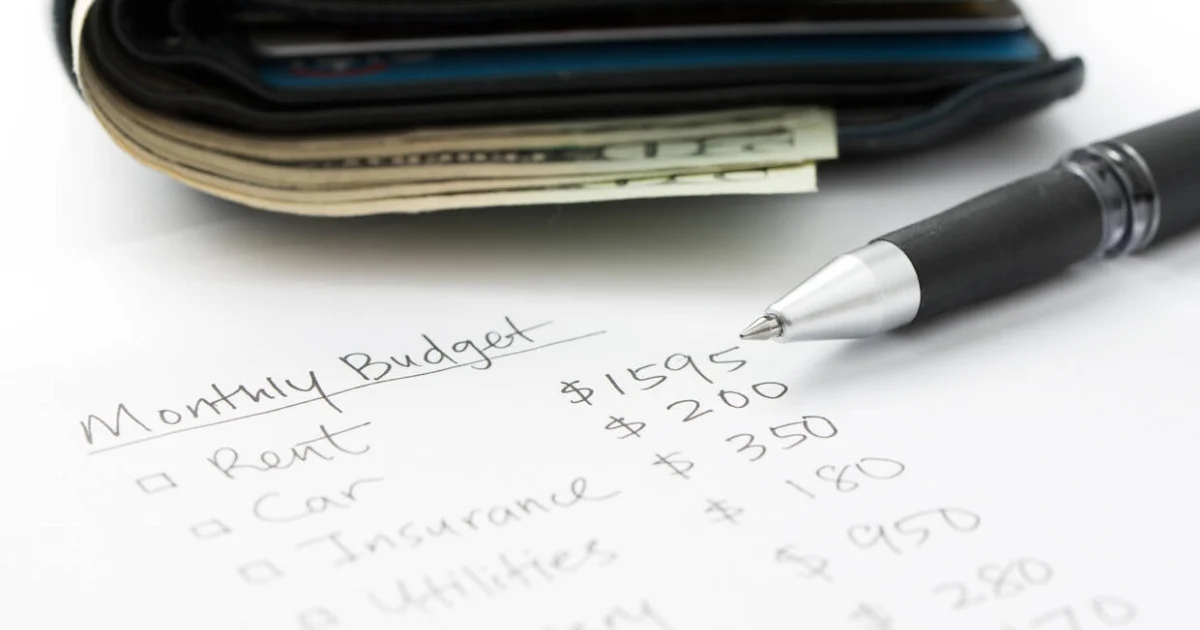
A monthly budget can help you feel more organized with money. It shows what is coming in, what is going out, and what needs to change.
But many people make a budget once, forget about it, and then wonder why it did not work.
A budget is not just a list of bills. It is a plan you check and adjust during the month.
When your budget fits your real life, it becomes much easier to follow.
This article is for educational purposes only and is not personal financial advice.
Why Monthly Budgets Fail
Monthly budgets often fail because people guess instead of using real numbers.
They may write:
- Groceries: $300
- Gas: $75
- Restaurants: $50
- Shopping: $0
But in real life, they spend much more.
The budget looks good on paper, but it does not match daily habits.
A working budget needs honesty. It should reflect how you actually live, then help you improve step by step.
Step 1: Write Down Your Income
Start with your monthly take-home pay.
This is the money that actually reaches your bank account after taxes and deductions.
If you get paid the same amount every month, this is simple.
If your income changes, use a lower average or your lowest expected month. This helps you avoid building a budget around money that may not arrive.
Include:
- Paychecks
- Side income
- Freelance income
- Child support
- Regular benefits
- Any steady monthly income
Do not include money that is uncertain.
Step 2: List Fixed Bills
Fixed bills are expenses that stay about the same each month.
Examples include:
- Rent or mortgage
- Car payment
- Insurance
- Phone bill
- Internet
- Loan payments
- Childcare
- Subscriptions
Write the amount and due date for each one.
Due dates matter because they help you know when money needs to be available.
Step 3: List Variable Expenses
Variable expenses change each month.
Examples include:
- Groceries
- Gas
- Restaurants
- Clothing
- Personal care
- Entertainment
- Household items
- Pet supplies
- Gifts
Look at your bank statements for the last 30 to 90 days.
Use real numbers. If you normally spend $650 on groceries, do not budget $350 unless you have a realistic plan to change.
Step 4: Plan for Irregular Expenses
Some expenses do not happen every month, but they still happen.
These may include:
- Car registration
- Annual insurance
- Holiday gifts
- School supplies
- Birthdays
- Home repairs
- Medical costs
- Travel
- Membership renewals
Divide the estimated cost by the number of months you have to save.
For example, if car insurance is $600 every six months, save $100 per month.
This keeps irregular expenses from wrecking your budget.
Step 5: Give Every Dollar a Job
Once you know your income and expenses, assign your money.
This can include:
- Bills
- Food
- Transportation
- Savings
- Debt payments
- Fun money
- Giving
- Emergency fund
- Sinking funds
The goal is to know where your money should go before you spend it.
This does not mean you have no freedom. It means you have a plan.
Step 6: Include Savings
Savings should be part of the budget, not an afterthought.
Even a small amount matters.
You may save for:
- Emergency fund
- Car repairs
- Medical costs
- Vacation
- Home expenses
- Retirement
- Kids’ expenses
- Annual bills
If money is tight, start with $5 or $10. The habit matters.
Step 7: Add Fun Money
A budget with no fun is hard to keep.
Add a small amount for personal spending.
This may cover:
- Coffee
- Snacks
- Hobbies
- Takeout
- Small treats
- Books
- Games
- Beauty items
Fun money helps you enjoy life without guilt. It also helps prevent impulse spending.
Step 8: Check Your Budget Weekly
Do not wait until the end of the month.
Check your budget once a week.
Ask:
Did I overspend anywhere?
Are bills covered?
Do I need to move money between categories?
Is there an upcoming expense?
Am I still on track?
A weekly check-in helps you fix problems early.
Step 9: Adjust When Life Happens
A budget is not set in stone.
If groceries cost more one week, you may need to reduce restaurants or shopping.
If gas is lower than expected, you may move extra money to savings.
Adjusting does not mean you failed. It means you are paying attention.
Step 10: Use a System You Like
Your budget can be digital or simple.
You can use:
- Notebook
- Spreadsheet
- Budgeting app
- Envelope method
- Printable planner
- Bank app
The best system is the one you will actually use.
Do not choose a complicated app if you hate using apps. Do not use paper if you always lose notebooks.
Make it easy for yourself.
Example Monthly Budget
Here is a simple example for $3,500 monthly take-home pay:
- Rent: $1,300
- Utilities: $250
- Phone and internet: $160
- Groceries: $550
- Gas: $200
- Insurance: $180
- Debt payments: $350
- Savings: $300
- Restaurants: $150
- Personal spending: $150
- Subscriptions: $60
- Household items: $100
- Miscellaneous: $150
Total: $3,900
This budget is $400 over income. That means changes are needed.
Possible fixes:
- Lower restaurant spending
- Cancel unused subscriptions
- Reduce shopping
- Find cheaper insurance
- Meal plan to reduce groceries
- Increase income
The budget shows the truth. Then you can decide what to do.
What to Do If You Are Over Budget
If expenses are higher than income, do not panic.
Start with flexible spending.
Look at:
- Restaurants
- Subscriptions
- Shopping
- Entertainment
- Grocery extras
- Convenience purchases
Then look at bigger expenses if needed.
Can you lower insurance?
Can you refinance debt?
Can you reduce phone costs?
Can you earn extra income?
Small cuts help, but sometimes a bigger change is needed.
What to Do If You Have Extra Money
If your budget has money left over, give it a job.
You can use extra money for:
- Emergency savings
- Debt payoff
- Retirement
- Car fund
- Home repairs
- Vacation
- Medical savings
- Education
Do not let extra money disappear through random spending.
Common Budgeting Mistakes
Avoid these mistakes:
- Forgetting irregular expenses
- Making grocery goals too low
- Leaving out fun money
- Ignoring small purchases
- Not checking during the month
- Using too many categories
- Quitting after one bad week
Budgets improve with practice.
Final Thoughts
A monthly budget works when it matches your real life.
Start with your income. List your bills. Track your variable spending. Plan for irregular expenses. Add savings and fun money.
Then check the budget every week and adjust as needed.
A good budget is not perfect. It is useful.
When you know where your money is going, you can make better choices and feel more in control.