

Big expenses can feel like emergencies when you do not plan for them.
Christmas, car repairs, school supplies, insurance renewals, birthdays, vacations, and home repairs may not happen every month, but they still happen. If you do not save for them, they can land on a credit card or drain your emergency fund.
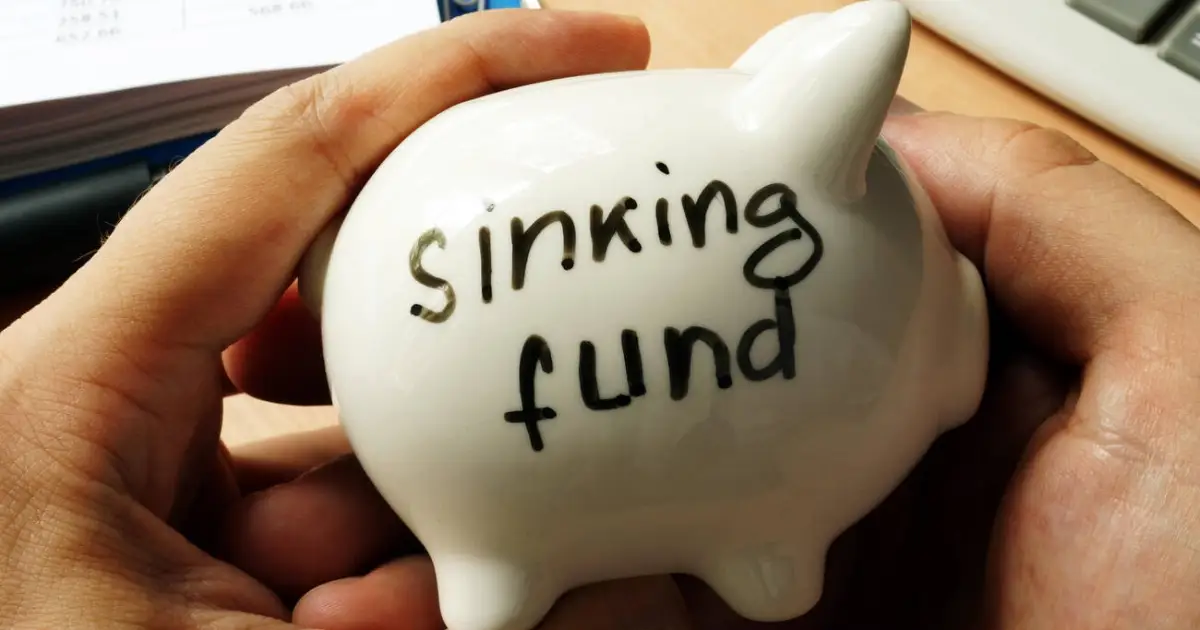
A sinking fund helps you prepare for these costs little by little.
It is one of the simplest ways to make your budget feel calmer.
This article is for educational purposes only and is not personal financial advice.
What Is a Sinking Fund?
A sinking fund is money you save for a specific planned expense.
Instead of waiting until the bill is due, you save a little over time.
For example, if you know you need $600 for car insurance in six months, you save $100 each month.
When the bill arrives, the money is ready.
That is the power of a sinking fund.
Sinking Fund vs Emergency Fund
A sinking fund is for expected expenses.
An emergency fund is for unexpected expenses.
Examples of sinking funds:
- Christmas
- Vacation
- School supplies
- Car insurance
- Car repairs
- Home repairs
- Birthdays
- Pet care
- Annual subscriptions
- Medical costs
Examples of emergency fund uses:
- Job loss
- Unexpected urgent car repair
- Medical emergency
- Emergency travel
- Broken appliance
- Unplanned urgent bill
Some expenses can fit both categories depending on the situation. But in general, if you know it is coming, use a sinking fund.
Why Sinking Funds Help
Sinking funds help because they reduce surprise.
They also protect your monthly budget.
Without a sinking fund, a $500 bill may ruin the month.
With a sinking fund, the money is already saved.
Sinking funds can also reduce credit card use because you are not borrowing for expenses you could have planned for.
Step 1: List Your Big Expenses
Start by writing down expenses that do not happen every month.
Think about the whole year.
Examples:
- Car registration
- Car insurance
- Home insurance
- Property taxes
- Christmas gifts
- Birthday gifts
- School supplies
- Vacation
- Back-to-school clothes
- Medical visits
- Vet bills
- Home maintenance
- Appliance replacement
- Annual memberships
- Sports fees
- Holiday meals
Do not worry about perfect numbers yet. Just make the list.
Step 2: Choose Your First Funds
You do not need to create 20 sinking funds at once.
Start with the most important ones.
Good beginner funds include:
- Car repairs
- Christmas
- Insurance
- Medical costs
- School expenses
- Home repairs
Choose the expenses that usually cause the most stress.
Step 3: Estimate the Amount Needed
Next, estimate how much you need for each fund.
Example:
- Christmas: $600
- Car repairs: $500
- School supplies: $300
- Vacation: $1,200
- Car insurance: $720
Use last year’s spending if you have it.
If you do not know the exact amount, make your best estimate. You can adjust later.
Step 4: Set a Deadline
Every sinking fund needs a deadline.
For example:
- Christmas: December
- Car insurance: Every six months
- School supplies: August
- Vacation: June
- Car registration: March
The deadline tells you how much to save each month.
Step 5: Divide the Amount by the Months Left
This is the simple formula:
Total amount needed divided by months left equals monthly savings amount.
Example:
You need $600 for Christmas.
You have 6 months.
$600 divided by 6 equals $100 per month.
If the monthly amount is too high, you can lower the goal, extend the timeline, reduce another category, or look for extra income.
Step 6: Choose Where to Keep the Money
You can keep sinking funds in different places.
Options include:
- Separate savings account
- Multiple savings accounts
- Cash envelopes
- Budgeting app categories
- Spreadsheet tracker
Many people like separate savings categories because the money is easier to organize.
If your bank allows savings buckets, that can work well.
Step 7: Automate the Savings
Automatic transfers make sinking funds easier.
Set up a transfer each payday or each month.
Examples:
- $25 per paycheck to car repairs
- $50 per month to Christmas
- $30 per month to school expenses
- $100 per month to vacation
If your income changes, transfer manually when money comes in.
Step 8: Track Each Fund
Tracking helps you know what money belongs where.
A simple tracker can include:
- Fund name
- Goal amount
- Current balance
- Monthly contribution
- Deadline
Example:
- Christmas
- Goal: $600
- Saved: $250
- Monthly amount: $100
- Deadline: December
This keeps everything clear.
Step 9: Use the Money for Its Purpose
When the expense comes, use the sinking fund.
That is what it is for.
If you saved $500 for car repairs and your car needs work, use the money without guilt.
Then start rebuilding the fund.
A sinking fund is meant to be spent on the planned expense.
Step 10: Adjust as Life Changes
Your sinking funds may change over time.
Maybe your insurance increases.
Maybe your child joins a sport.
Maybe you decide not to take a vacation this year.
Maybe Christmas spending needs to be lower.
Review your funds every few months and adjust.
A sinking fund should serve your real life, not make things harder.
Example Sinking Fund Plan
Here is an example:
Christmas: $600 goal, save $50 per month for 12 months.
Car repairs: $1,000 goal, save $85 per month for 12 months.
School supplies: $300 goal, save $25 per month for 12 months.
Vacation: $1,200 goal, save $100 per month for 12 months.
Medical costs: $500 goal, save $42 per month for 12 months.
Total monthly savings: $302.
If $302 is too much, start with the most important funds and smaller amounts.
What If You Cannot Save Much?
Start small.
Even $10 a month toward a future bill is better than nothing.
You may not fully cover the expense at first, but you can reduce the impact.
For example, saving $20 a month for Christmas gives you $240 in one year. That is better than starting with zero.
Sinking Fund Ideas
Here are common sinking fund categories:
- Christmas
- Birthdays
- Car repairs
- Car insurance
- Home repairs
- Medical bills
- Dental visits
- Vet bills
- Pet supplies
- School expenses
- Kids’ activities
- Vacation
- Clothing
- Annual subscriptions
- Technology replacement
- Furniture
- Appliances
- Taxes
- Weddings
- Baby expenses
Choose the ones that fit your life.
Common Mistakes to Avoid
Do not create too many funds at once.
Do not forget deadlines.
Do not mix sinking funds with spending money.
Do not use the Christmas fund for random shopping.
Do not stop after using the money.
Do not make the monthly savings goal impossible.
A sinking fund should make life easier, not more stressful.
Final Thoughts
A sinking fund helps you prepare for big expenses before they arrive.
Start by listing upcoming costs. Choose the most important ones. Estimate the amount, set a deadline, and save a little each month.
You do not need to fund everything perfectly right away.
Even small sinking funds can protect your budget and reduce stress when big expenses show up.