

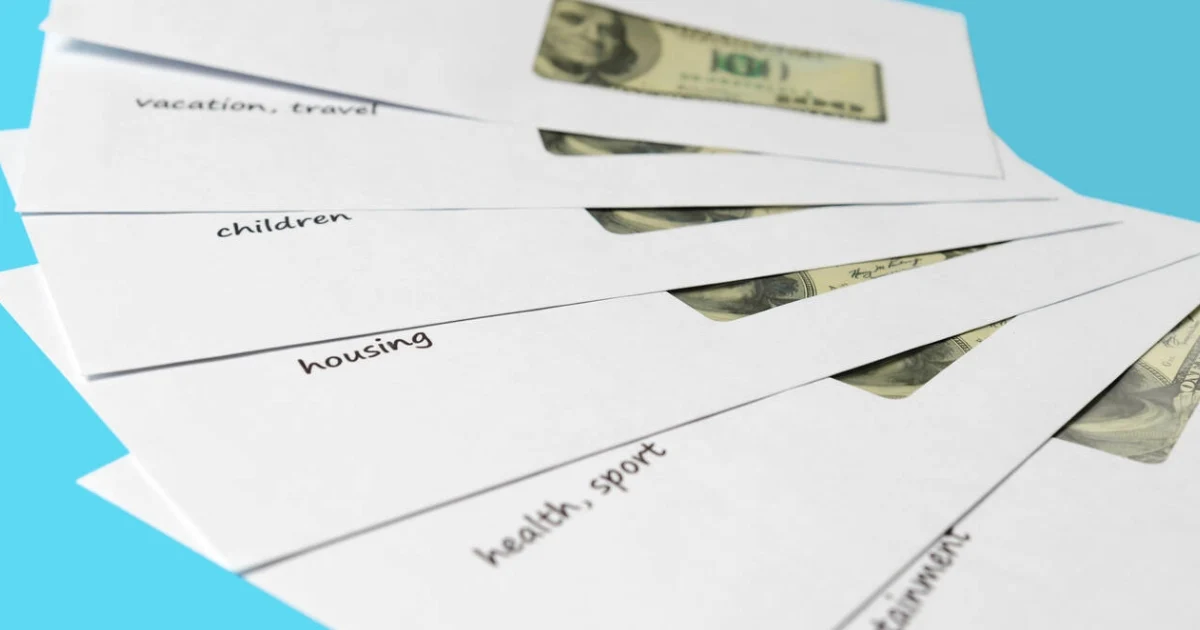
Cash envelopes are an old-school budgeting method, but they still work for many people. The idea is simple. You put cash into different envelopes for different spending categories. When the cash is gone, you stop spending in that category.
This method can be helpful if you often overspend with debit cards, credit cards, or online shopping. Cash makes money feel real because you can see it leaving your hand.
You do not need fancy tools to start. A few envelopes and a simple plan are enough.
This article is for educational purposes only and is not personal financial advice.
What Is the Cash Envelope System?
The cash envelope system is a way to control spending by using physical cash.
You choose budget categories, put a set amount of money into each envelope, and spend only from that envelope.
For example:
- Groceries: $500
- Gas: $200
- Restaurants: $120
- Personal spending: $100
- Clothing: $75
- Entertainment: $60
Each category gets its own envelope.
When you buy groceries, you use money from the grocery envelope. When the envelope is empty, you are done spending on groceries until the next budget period.
Why Cash Envelopes Work
Cash envelopes work because they create a clear limit.
With a debit or credit card, it is easy to swipe and forget. With cash, you can see exactly how much is left.
This method can help you:
- Spend less
- Avoid impulse buying
- Stay within category limits
- Stop relying on credit cards
- Notice spending habits
- Feel more in control
It is especially helpful for categories that tend to get out of hand.
Which Categories Should Use Cash?
You do not need to use cash for every bill.
Cash envelopes work best for flexible spending categories.
Good categories include:
- Groceries
- Restaurants
- Coffee
- Gas
- Clothing
- Beauty
- Entertainment
- Kids’ spending
- Household items
- Gifts
- Personal spending
Bills like rent, utilities, insurance, and loan payments are usually easier to pay through your bank.
Use cash envelopes where you need stronger spending control.
Step 1: Look at Your Current Spending
Before setting envelope amounts, look at what you normally spend.
Check your bank statements from the last month.
How much did you spend on groceries? Restaurants? Gas? Shopping?
Use real numbers.
If you usually spend $700 on groceries, do not set the envelope at $300 right away. That may be too big of a change.
Start with a realistic amount, then lower it slowly if needed.
Step 2: Choose Your Envelope Categories
Pick a few categories to start.
Do not create 20 envelopes on day one. That can feel overwhelming.
Start with three to five categories.
For example:
Groceries
Restaurants
Gas
Personal spending
Household items
Once you get used to the system, you can add more.
Step 3: Decide How Much Cash Goes in Each Envelope
Choose an amount for each category based on your income, bills, and spending goals.
Example for two weeks:
- Groceries: $250
- Gas: $100
- Restaurants: $50
- Personal spending: $40
- Household items: $35
Total cash needed: $475
Make sure your total fits your budget.
Do not take out more cash than you can afford.
Step 4: Label Your Envelopes
Use plain envelopes, zipper pouches, or a small cash binder.
Label each one clearly.
Examples:
- Groceries
- Gas
- Eating Out
- Fun Money
- Kids
- Household
- Gifts
You can keep it simple. The envelope does not need to be pretty to work.
Step 5: Spend From the Right Envelope
When you buy something, use cash from the matching envelope.
If you buy groceries, use the grocery envelope.
If you go out for coffee, use the restaurant or personal spending envelope.
This keeps each category honest.
If you borrow from another envelope too often, your budget may need adjusting.
Step 6: Stop Spending When the Envelope Is Empty
This is the main rule.
When the cash is gone, spending stops.
If your restaurant envelope is empty, you eat at home until the next budget period.
If your clothing envelope is empty, new clothes wait.
This may feel strict at first, but it helps you build discipline.
What If You Need to Move Money?
Sometimes life happens.
Maybe groceries cost more because family visited. Maybe gas spending was lower than expected.
It is okay to move money when needed, but do it with purpose.
Do not move money just because you want to overspend.
Ask:
Is this a true need?
Will moving money hurt another important category?
Can this purchase wait?
A budget should be flexible, but not careless.
What About Online Shopping?
Cash envelopes are harder with online shopping.
You have a few options.
You can deposit the cash back into your bank before buying online.
You can use a debit card and remove the same amount from the envelope.
You can create a digital envelope in a budgeting app.
You can avoid online shopping for categories that cause overspending.
The key is to keep the category limit accurate.
What If You Do Not Want to Carry Cash?
You do not have to carry all envelopes with you.
Only take what you need.
For example, if you are going grocery shopping, take the grocery envelope.
Leave the others at home.
This lowers the risk of losing money or spending from the wrong category.
Cash Envelopes vs Digital Envelopes
Some people prefer digital envelopes.
Digital envelopes use bank accounts, budgeting apps, or spreadsheets instead of physical cash.
This can work well if you shop online often or dislike carrying cash.
Physical cash is better if you need strong spending control.
Digital envelopes are better if you want convenience.
Choose the system you will actually use.
How Often Should You Refill Envelopes?
You can refill envelopes:
- Weekly
- Every two weeks
- Twice a month
- Monthly
Choose based on when you get paid.
If you struggle with spending too fast, weekly envelopes may help.
For example, instead of putting $600 in grocery cash for the month, use $150 per week.
Smaller time periods can make budgeting easier.
What to Do With Leftover Cash
If you have money left in an envelope, give it a purpose.
You can:
- Roll it into next month
- Add it to savings
- Pay extra on debt
- Put it in a sinking fund
- Save for a treat
- Build an emergency fund
Leftover money is progress. Do not let it disappear.
Common Cash Envelope Mistakes
Avoid these mistakes:
- Making too many envelopes at once.
- Setting amounts too low.
- Forgetting to track online spending.
- Borrowing from envelopes too often.
- Carrying too much cash.
- Not planning for irregular expenses.
- Quitting after one bad week.
- The system may take a few months to feel natural.
Who Should Try Cash Envelopes?
Cash envelopes may help if you:
- Overspend on groceries
- Use credit cards too often
- Struggle with impulse buying
- Need clear limits
- Want a simple budget system
- Prefer seeing money physically
- Need help controlling fun spending
They may not be best if you pay for most things online or feel unsafe carrying cash.
Final Thoughts
Cash envelopes are simple, but they can be powerful.
Choose a few spending categories. Set realistic amounts. Use cash from the right envelope. Stop spending when the envelope is empty.
You do not have to use cash forever. You can use it as a training tool until better habits feel natural.
A budget works best when you can see it, understand it, and follow it in real life.