

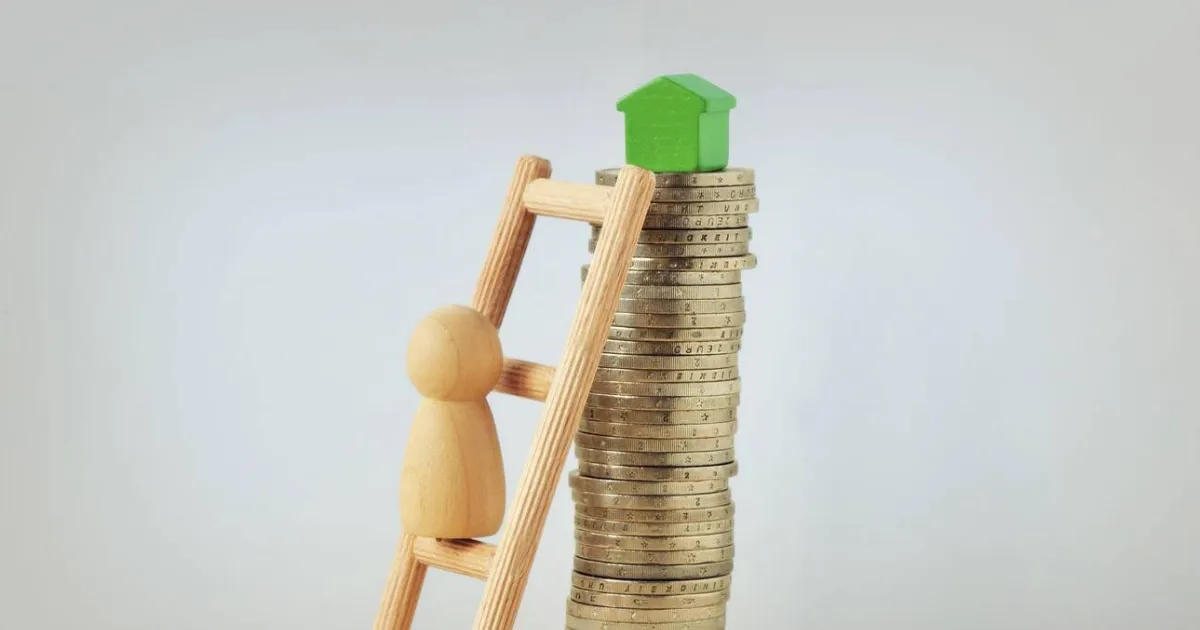
Saving for a house while renting can feel hard. Rent takes a big part of your income, and home prices may feel far away. Then regular life keeps happening. Groceries, bills, car repairs, and family expenses all compete for your money.
Still, saving for a house is possible if you make a clear plan and stay patient.
You do not need to save everything overnight. You need to know your goal, lower waste where you can, and build the habit month by month.
This article is for educational purposes only and is not personal financial advice.
Know Why You Want to Buy
Before focusing on numbers, ask why you want to buy a house.
Common reasons include:
- More space
- Stable housing
- Building equity
- Starting a family
- Having a yard
- Leaving renting behind
- Personal freedom
- Long-term plans
Buying a house is a big decision. It comes with more than a mortgage payment.
You may also pay for repairs, taxes, insurance, furniture, maintenance, and utilities.
Knowing your reason helps you stay focused.
Learn the Real Costs of Buying
Many people think only about the down payment.
But buying a house can include several costs.
Possible costs include:
- Down payment
- Closing costs
- Home inspection
- Appraisal
- Moving costs
- Repairs
- Furniture
- Appliances
- Property taxes
- Homeowners insurance
- Maintenance
- HOA fees if applicable
This does not mean you should be discouraged. It means your savings goal should be realistic.
Set a Down Payment Goal
Your down payment goal depends on the home price, loan type, and your financial situation.
Some buyers aim for 20% to avoid certain extra costs. Others may qualify for lower down payment options.
Do your research and speak with a qualified mortgage professional when you are closer to buying.
For planning, start with a simple target.
Example:
- Home price goal: $250,000
- Down payment goal: 5%
- Savings needed: $12,500
Then add estimated closing costs and moving costs.
Create a House Savings Account
Open a separate savings account just for your house fund.
This helps you avoid mixing it with everyday money.
Name the account something clear like:
- House Fund
- Down Payment
- Future Home
- Home Savings
Seeing the balance grow can keep you motivated.
Save Automatically
Automatic savings makes the process easier.
Set up a transfer every payday.
Examples:
- $50 per paycheck
- $100 per month
- $200 per month
- 10% of extra income
Start with an amount you can handle.
If money is tight, even small automatic transfers help build the habit.
Reduce Rent Costs If Possible
Rent is often the biggest expense, so even small changes can help.
Options may include:
- Move to a less expensive rental
- Get a roommate
- Negotiate rent renewal
- Move farther from expensive areas
- Choose a smaller place temporarily
- Avoid luxury apartment upgrades
These choices are not always easy or possible, but they can speed up savings.
Do not put yourself in an unsafe or unhealthy situation just to save money.
Lower Monthly Bills
Look for bills you can reduce.
Check:
- Phone plan
- Internet plan
- Insurance
- Streaming services
- Subscriptions
- Gym membership
- Utilities
- Meal delivery
- Storage unit
Call providers and ask about lower-cost plans.
Saving $100 a month gives you $1,200 in one year. That can move your house fund forward.
Control Grocery and Restaurant Spending
Food spending can make a big difference.
Try:
- Meal planning
- Cooking at home more often
- Using leftovers
- Buying store brands
- Packing lunches
- Limiting delivery apps
- Keeping easy meals at home
You do not have to stop eating out forever. Set a monthly limit and put the savings toward your house fund.
Use Windfalls for the House Fund
Windfalls can help your savings grow faster.
Examples:
- Tax refund
- Work bonus
- Overtime pay
- Cash gifts
- Side hustle income
- Rebates
- Cashback rewards
You may not want to put every extra dollar into savings, and that is okay.
Try putting a percentage toward your house goal.
For example:
- 70% to house fund
- 20% to debt or emergency fund
- 10% for fun
This gives balance.
Pay Down High-Interest Debt
Debt can make it harder to qualify for a mortgage and save money.
If you have high-interest debt, create a payoff plan.
Focus on:
- Credit cards
- Personal loans
- High-interest financing
- Past-due bills
Paying down debt may improve your monthly cash flow and make buying easier later.
Do not ignore savings completely, but try to balance debt payoff with your home goal.
Build an Emergency Fund Too
It may feel strange to save for emergencies and a house at the same time, but both matter.
If you put every dollar into the house fund and then an emergency happens, you may need to use credit cards.
Start with a basic emergency fund.
Then continue building your house savings.
Homeownership comes with surprises, so emergency savings becomes even more important.
Improve Your Credit
Your credit may affect your mortgage options.
To improve your credit habits:
Pay bills on time.
Keep credit card balances low.
Avoid unnecessary new credit applications.
Check your credit reports.
Dispute errors.
Do not max out cards.
Good credit habits take time, so start early.
Research First-Time Buyer Programs
Some areas offer programs for first-time homebuyers.
These may include:
- Down payment assistance
- Closing cost assistance
- Special loan programs
- Education courses
- Local grants
- Lower down payment options
Rules vary by location, income, and property type.
Research programs in your city, state, province, or country. A housing counselor or mortgage professional may also help explain options.
Avoid Lifestyle Inflation
If your income increases, try not to increase spending right away.
Raises, bonuses, or better jobs can help your house fund grow.
Instead of upgrading your car, apartment, phone, or lifestyle immediately, send part of the increase to savings.
This can speed up your goal without feeling like a major sacrifice.
Make a Timeline
A house savings goal feels easier when you break it down.
Example:
- Goal: $20,000
- Current savings: $4,000
- Amount left: $16,000
- Monthly savings: $500
- Time needed: 32 months
This gives you a realistic timeline.
If the timeline feels too long, you can adjust by saving more, lowering the target, increasing income, or changing your home price goal.
Be Honest About Readiness
Buying a house before you are ready can create stress.
You may be ready when:
You have steady income.
You have savings beyond the down payment.
You understand the monthly payment.
You have manageable debt.
You plan to stay in the area.
You can handle repairs.
You are not depending on perfect luck.
Renting while you prepare is not failure. It can be a smart step.
Common Mistakes to Avoid
Do not save for a down payment while ignoring emergency savings.
Do not buy more house than you can afford.
Do not forget closing costs.
Do not assume rent is wasted money if it gives you time to prepare.
Do not use every dollar of savings at closing.
Do not rush because others are buying.
Your timeline is your timeline.
Final Thoughts
Saving for a house while renting takes patience, but it is possible.
Set a clear goal. Open a separate savings account. Save automatically. Lower bills where you can. Use extra money wisely. Work on credit and debt.
Most people do not save for a home in one big move. They do it through small, steady decisions.
Keep your plan realistic, and give yourself time to get ready.