

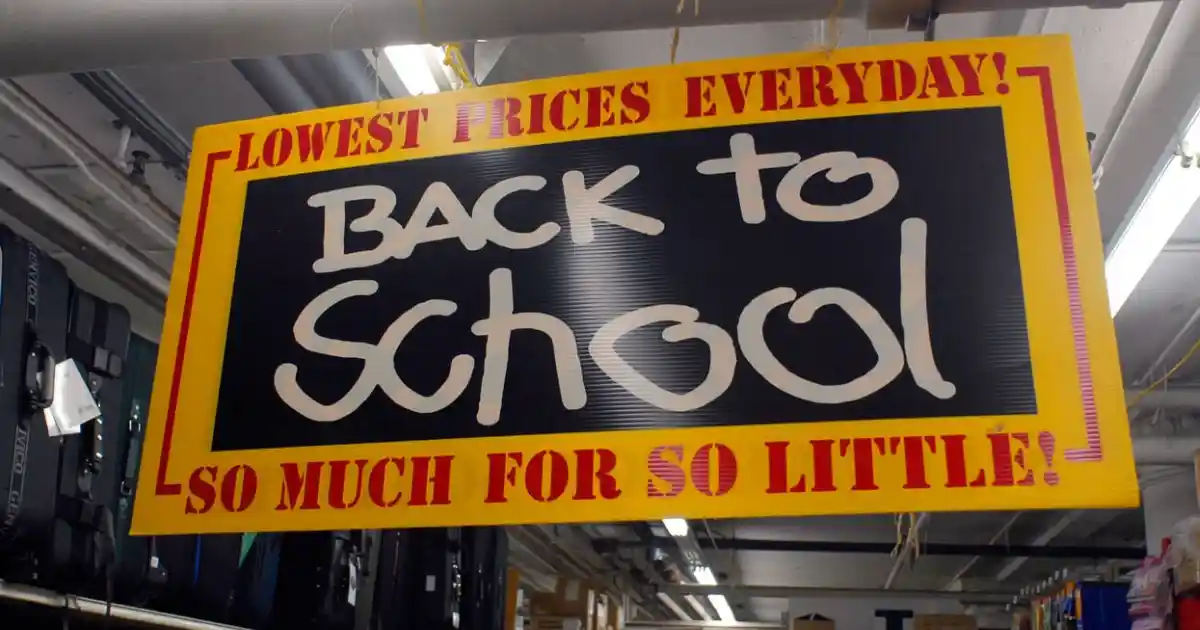
Back-to-school season can get expensive quickly. One minute you are buying pencils and notebooks, and the next you are paying for backpacks, lunch boxes, shoes, clothes, sports fees, teacher requests, and school pictures.
For many families, this season feels like a second holiday bill.
The good news is that back-to-school shopping does not have to wreck your budget. With a clear list, a spending limit, and a little planning, you can get what your kids need without buying everything in sight.
This article is for educational purposes only and is not personal financial advice.
Start With the School Supply List
Before you buy anything, get the official school supply list if possible.
Schools often provide lists by grade. Some teachers may also send specific requests.
Do not guess too early unless you are buying basic items you know will be used.
Common supplies include:
- Notebooks
- Folders
- Pencils
- Pens
- Crayons
- Markers
- Glue sticks
- Scissors
- Binders
- Index cards
- Tissues
- Disinfecting wipes
- Backpack
- Lunch box
Once you have the list, highlight what you already own.
Check What You Have at Home
Before shopping, look around the house.
Check drawers, closets, backpacks, desk areas, and storage bins.
You may already have:
- Unused notebooks
- Extra pencils
- Folders
- Colored pencils
- Glue sticks
- Rulers
- Scissors
- Binders
- Pencil boxes
- Backpacks
- Lunch containers
Many families buy duplicates because they do not check first.
Use what you already have before spending more.
Set a Back-to-School Budget
Decide how much you can spend before going to the store.
Break the budget into categories.
For example:
- School supplies: $75
- Clothes: $150
- Shoes: $80
- Backpack and lunch items: $60
- Extras: $35
Total: $400
Your numbers may be different. The point is to know your limit.
A budget helps you say no to extras without feeling unsure.
Separate Needs From Wants
Kids may want new everything, but not everything is necessary.
Needs may include:
- Required school supplies
- Shoes that fit
- Basic clothing
- Backpack if old one is broken
- Lunch box if needed
Wants may include:
- Trendy backpacks
- Brand-name shoes
- Extra accessories
- Fancy water bottles
- Decorative supplies
- More clothes than needed
Wants are not bad, but they need limits.
You can let kids choose one or two fun items while keeping the rest practical.
Shop Your Closet First
Before buying clothes, check what your child already has.
Make piles:
- Fits and still good
- Too small
- Needs repair
- School appropriate
- Play clothes only
- Donate or sell
Then write down what is missing.
Maybe your child only needs two pairs of jeans, socks, and shoes. Without checking, it is easy to buy more than needed.
Buy Clothes in Stages
You do not have to buy the whole school-year wardrobe at once.
At the start of school, kids may only need enough clothes for the first few weeks.
You can buy more later as weather changes or growth spurts happen.
This helps avoid buying too much too soon.
It also gives you time to wait for sales.
Compare Prices Before Shopping
Prices can vary by store.
Check weekly ads, store apps, and online prices before you shop.
Some stores offer school supply deals in late summer. Others may have better prices on clothing or shoes.
Do not drive all over town to save a few cents, but compare the bigger items.
Backpacks, shoes, calculators, uniforms, and electronics are worth checking.
Use Store Brands
Store-brand school supplies are often fine.
Items like notebooks, folders, pencils, glue, and crayons do not always need to be expensive.
For some items, quality matters more, especially backpacks, shoes, and calculators. But for basic supplies, store brands can save money.
Shop Sales Carefully
Back-to-school sales can be helpful, but they can also make you buy too much.
A sale is only useful if you need the item.
Good items to buy on sale:
- Notebooks
- Folders
- Pencils
- Glue sticks
- Crayons
- Markers
- Loose-leaf paper
- Tissues
- Lunch containers
Avoid buying random supplies just because they are cheap unless you know they will be used.
Buy Used When It Makes Sense
Some back-to-school items can be bought secondhand.
Good secondhand options include:
- Clothes
- Jackets
- Sports gear
- Musical instruments
- Books
- Backpacks if in good condition
- Desks
- Study lamps
Be careful with items that need to meet school rules or safety standards.
For shoes, make sure they fit well and still have good support.
Use Hand-Me-Downs
Hand-me-downs can save a lot of money, especially with younger kids.
Clothes, jackets, backpacks, books, and sports gear may be reused if they are still in good shape.
If your child dislikes hand-me-downs, let them pick a few new items too. Balance can help.
Label Everything
Lost items cost money.
Label:
- Backpacks
- Lunch boxes
- Water bottles
- Jackets
- Sweaters
- Pencil boxes
- Sports gear
A simple label can help items come back instead of needing replacement.
Pack Lunches Wisely
School lunches can be another big cost.
If packing lunch is cheaper for your family, plan easy options.
Ideas include:
- Sandwiches
- Wraps
- Pasta salad
- Rice bowls
- Fruit
- Yogurt
- Cheese sticks
- Crackers
- Leftovers
- Homemade muffins
Buy snacks in larger packages and portion them yourself.
This is often cheaper than single-serve packs.
Plan for Hidden School Costs
School costs are not only supplies.
Plan for:
- Picture day
- Field trips
- Class parties
- Sports fees
- Club fees
- Fundraisers
- Spirit days
- Teacher gifts
- Book fairs
- School events
Keep a small school fund if possible.
Even $10 or $20 a month can help with surprise school expenses.
Let Kids Help With the Budget
Back-to-school shopping can be a good money lesson.
Give kids simple choices.
For example:
“You can choose this backpack, but then we are not buying the expensive pencil case.”
Or:
“You have $40 for extra items. Choose what matters most.”
This teaches trade-offs in a real way.
Avoid Last-Minute Shopping
Last-minute shopping often costs more.
You may have fewer choices and less time to compare prices.
Start early enough to shop calmly.
If you cannot buy everything at once, buy the most important items first and finish the rest later.
Save Receipts
Keep receipts until school starts.
Sometimes teachers change supply requests. Sometimes clothes do not fit. Sometimes you find a better deal.
Receipts make returns easier.
Keep them in an envelope, folder, or phone app.
Common Mistakes to Avoid
Do not shop without a list.
Do not buy a full wardrobe without checking what fits.
Do not ignore hidden school costs.
Do not let kids choose everything without limits.
Do not buy cheap shoes that hurt their feet.
Do not wait until the night before school starts.
Do not forget to label items.
A little planning can prevent a lot of waste.
Final Thoughts
Back-to-school shopping does not have to be stressful or expensive.
Start with the official list. Check what you already own. Set a budget. Buy needs first. Use sales wisely. Shop secondhand when it makes sense.
Your child does not need every new item to have a good school year.
A simple, planned approach can help your family start the school year ready without hurting your budget.