

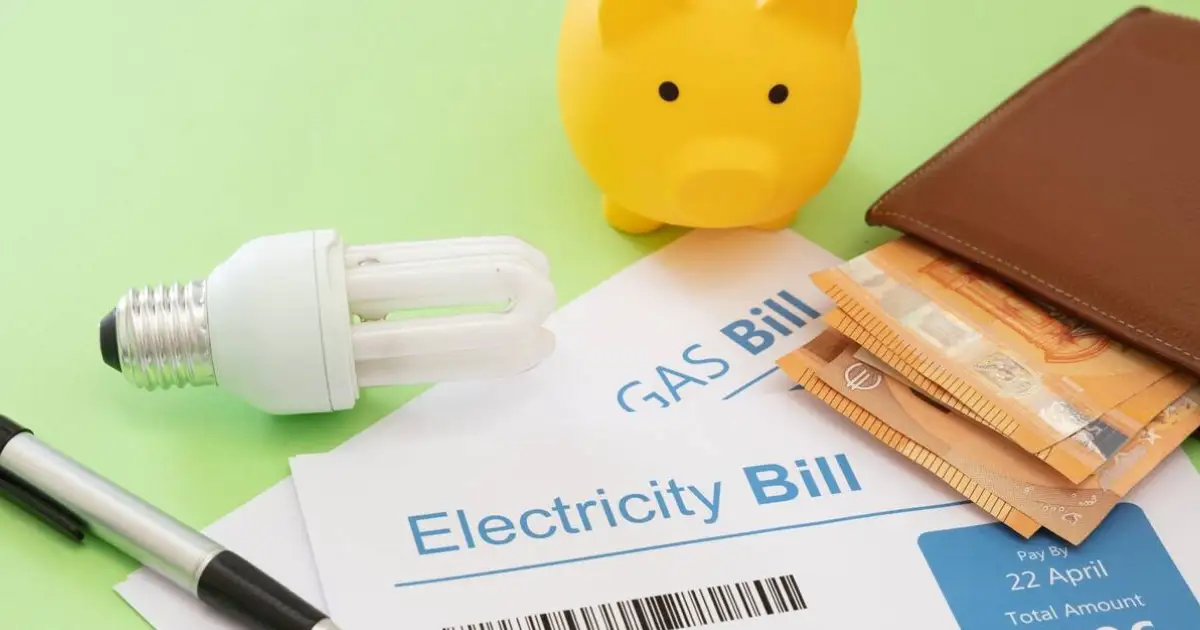
Utility bills can take a big bite out of your monthly budget. Electricity, water, gas, heating, cooling, and internet can all add up fast.
The frustrating part is that utilities feel necessary. You cannot simply stop using lights, water, heat, or internet. But you can build better habits and look for small changes that lower your bill over time.
Saving money on utilities does not always require big home upgrades. Many savings come from simple daily choices.
This article is for educational purposes only and is not personal financial advice.
Know What You Are Paying For
Start by looking at your utility bills.
Check:
- Electric bill
- Gas bill
- Water bill
- Internet bill
- Trash service
- Sewer bill
- Heating fuel if separate
Look at the last three to six months if possible.
Ask yourself:
Which bill is highest?
Which bill changes the most?
Did any bill suddenly increase?
Are there extra fees?
Do I understand the rate?
You cannot lower a bill well if you do not know what is driving it.
Compare This Month to Last Month
Utility bills often change by season.
Air conditioning may raise summer bills. Heating may raise winter bills. Guests, laundry, cooking, and school breaks can also affect usage.
Compare your current bill to the previous month and the same month last year if available.
This helps you see if the bill is normal or unusually high.
Adjust the Thermostat
Heating and cooling are often major parts of a utility bill.
Small thermostat changes can help.
In warm weather, try setting the air conditioner a little higher.
In cold weather, try setting the heat a little lower.
You do not need to be uncomfortable. Even a small adjustment can help reduce energy use.
Use fans, curtains, warm clothes, blankets, and natural shade to help your home feel better without overworking the system.
Use a Programmable or Smart Thermostat
A programmable thermostat can help if you forget to adjust the temperature.
You can set it to use less heating or cooling when you are asleep or away from home.
A smart thermostat may offer more control through an app, but you do not need the fanciest model to save money.
The most important thing is using it consistently.
Seal Drafts
Drafts can make heating and cooling less efficient.
Check around:
- Doors
- Windows
- Attic openings
- Basement areas
- Vents
- Electrical outlets on exterior walls
Weatherstripping, door sweeps, and caulk can help in many homes.
If you rent, ask your landlord before making changes.
Even simple fixes can make a room feel more comfortable.
Use Curtains and Blinds
Windows can affect room temperature.
In summer, close curtains during hot sunny hours to keep heat out.
In winter, open curtains during sunny daytime hours to bring warmth in, then close them at night to keep warmth inside.
This is a free habit that can help your heating and cooling system work less.
Turn Off Lights
This sounds simple, but it still matters.
Make it a habit to turn off lights when leaving a room.
Teach kids to do the same.
If certain lights stay on all day out of habit, start there.
You may also switch frequently used bulbs to LED bulbs if you have not already. They usually use less energy and last longer than older bulbs.
Unplug Energy Drains
Some electronics use power even when they are not actively being used.
This is sometimes called standby power.
Items may include:
- Chargers
- Game consoles
- Coffee makers
- Printers
- TVs
- Computer equipment
- Small kitchen appliances
You do not have to unplug everything every day. Start with items you rarely use.
Power strips can make this easier.
Wash Clothes With Cold Water
Heating water can use energy.
For many everyday loads, cold water works well.
Use hot water when needed for certain laundry situations, but try cold water for regular clothes, towels, and casual items when appropriate.
Also, wash full loads when possible.
Small loads use water and energy more often.
Use the Dryer Less
Dryers can use a lot of energy.
To save money:
Clean the lint trap after every load.
Dry full loads, but do not overload.
Use lower heat when possible.
Air dry heavy items.
Hang some clothes to dry.
Use dryer balls if they help reduce drying time.
If clothes take too long to dry, check for lint buildup or vent problems.
Run Full Dishwasher Loads
Dishwashers can be efficient when used correctly.
Run full loads instead of several small loads.
Use the air-dry setting if available.
Scrape plates instead of fully rinsing them unless your machine requires it.
Also, check your dishwasher settings. Some cycles use more heat and water than others.
Take Shorter Showers
Water and water heating both cost money.
Shorter showers can reduce both.
You do not need to make showers miserable. Just cutting a few minutes can help.
Low-flow showerheads may also reduce water use, but choose one that still works well for your household.
Fix Leaks Quickly
A small leak can waste a surprising amount of water.
Check:
- Faucets
- Toilets
- Under sinks
- Outdoor spigots
- Showerheads
- Washing machine hoses
A running toilet can raise a water bill.
If you rent, report leaks quickly. If you own, fix small leaks before they become bigger problems.
Lower Water Heater Temperature Carefully
Some households can save energy by lowering the water heater temperature.
Do this carefully and only if you understand safe temperature settings. Water that is too cool may create health risks, and water that is too hot can burn.
If you are unsure, ask a qualified professional.
Review Your Internet Plan
Internet bills can creep up over time.
Check your plan and ask:
- Am I paying for more speed than I need?
- Did a promotion expire?
- Are there equipment rental fees?
- Can I use my own modem or router?
- Are there cheaper plans?
- Can I negotiate?
- Call your provider and ask about current promotions or lower-cost options.
- Be polite but direct.
Watch Equipment Rental Fees
Some companies charge monthly fees for modems, routers, cable boxes, or other equipment.
If allowed, buying your own equipment may save money over time.
Before buying anything, check compatibility with your provider.
Make sure the savings are worth the upfront cost.
Ask About Budget Billing
Some utility companies offer budget billing.
This spreads your expected yearly cost into more even monthly payments.
It may not reduce the total amount you pay, but it can make budgeting easier.
Read the rules carefully. You may still owe a balance if your actual use is higher than expected.
Check for Assistance Programs
If you are struggling to pay utility bills, ask about assistance programs.
Some areas offer help for heating, electricity, water, or internet for qualifying households.
You can call the utility company or check local government and nonprofit resources.
Do not wait until the bill is seriously overdue.
Create a Utility Saving Routine
Here is a simple monthly routine:
- Review bills.
- Check for sudden increases.
- Turn off unused lights.
- Unplug rarely used electronics.
- Wash full laundry loads.
- Run full dishwasher loads.
- Check for leaks.
- Review internet plan once or twice a year.
- Small habits become easier when they are repeated.
Common Mistakes to Avoid
- Do not ignore a sudden bill increase.
- Do not run half loads of laundry every day.
- Do not leave leaks unfixed.
- Do not pay for internet speed you do not need.
- Do not forget about equipment rental fees.
- Do not make unsafe changes to heating, cooling, or water systems.
- The goal is saving money safely.
Final Thoughts
Saving money on utilities is about small choices that add up.
Adjust the thermostat, stop drafts, wash full loads, use less hot water, fix leaks, and review your internet plan.
You may not cut every bill in half, but you can often reduce waste.
A lower utility bill gives your budget a little more breathing room every month.